PARENTAL CARE & SOCIAL INTERACTIONS
How do parents assess each other's investment and resolve the sexual conflict over care?
Parents use social information to make decisions
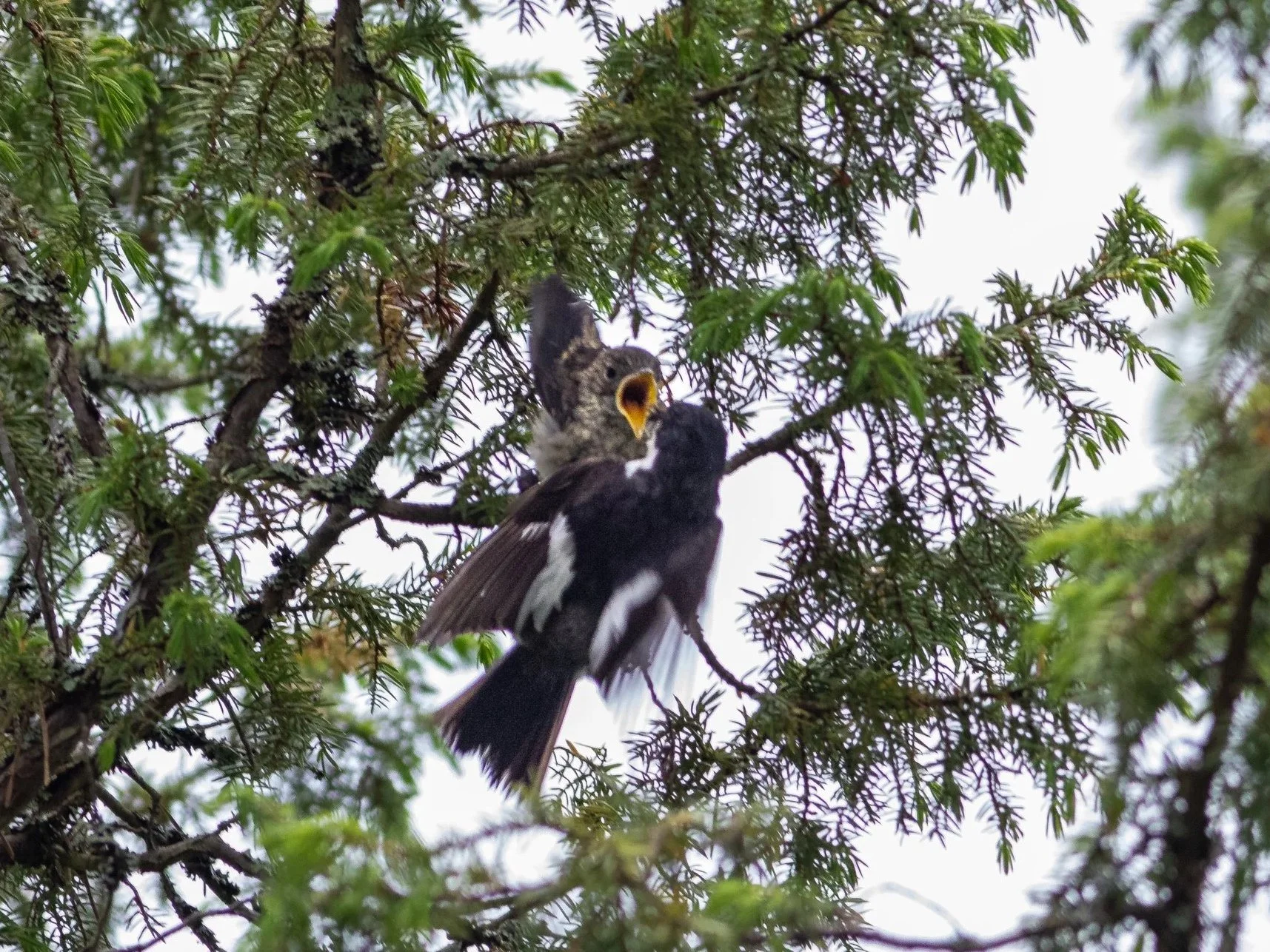
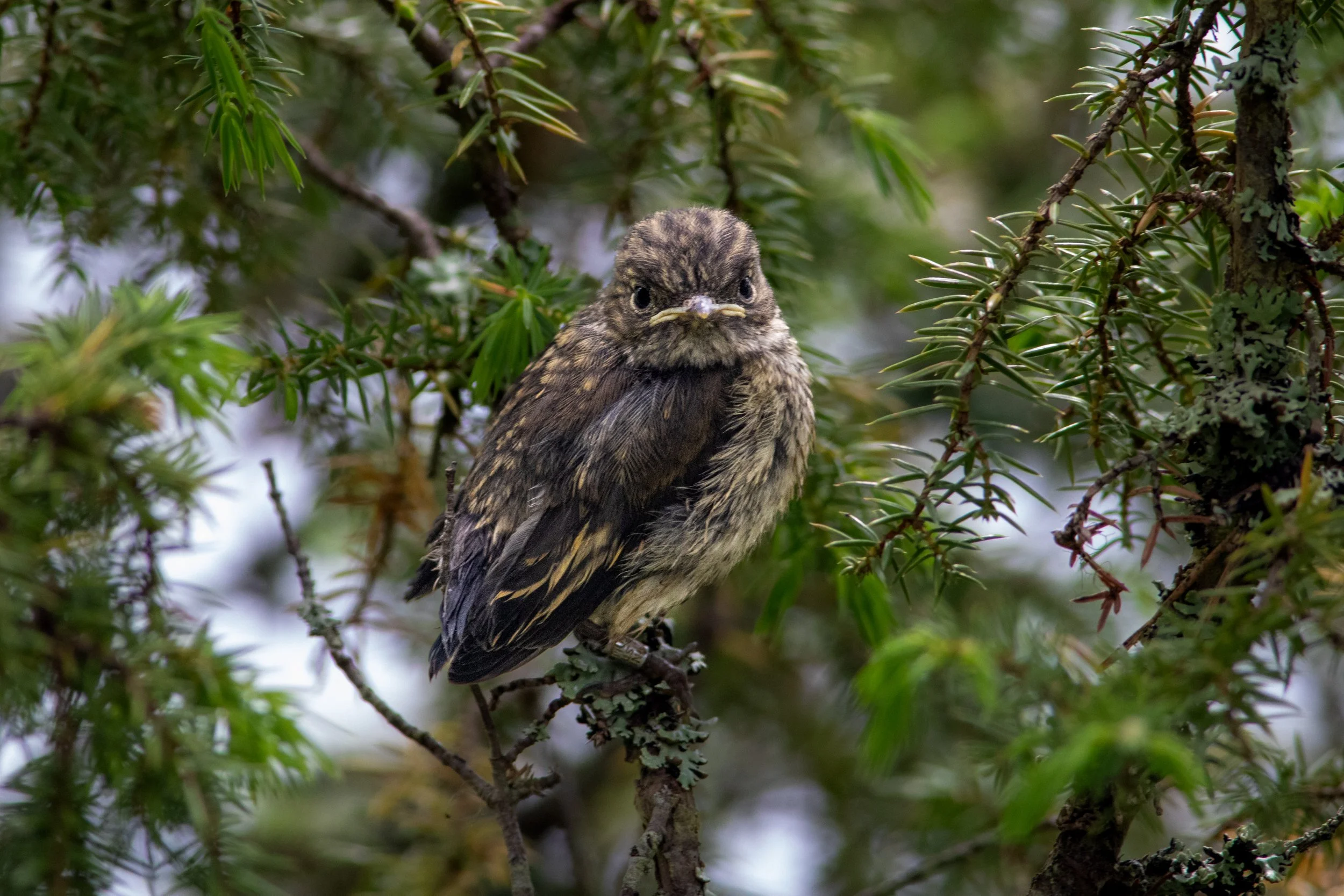
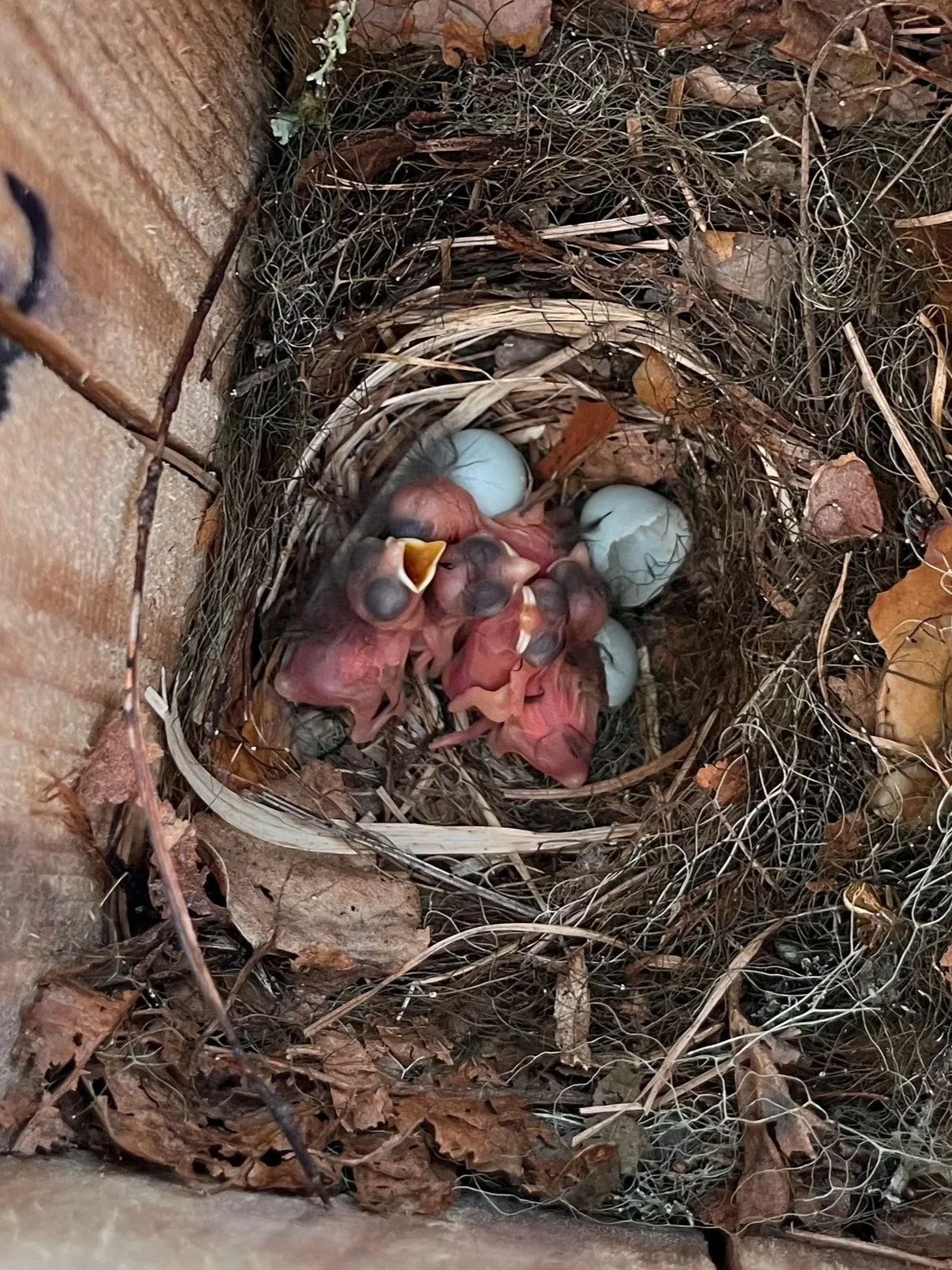
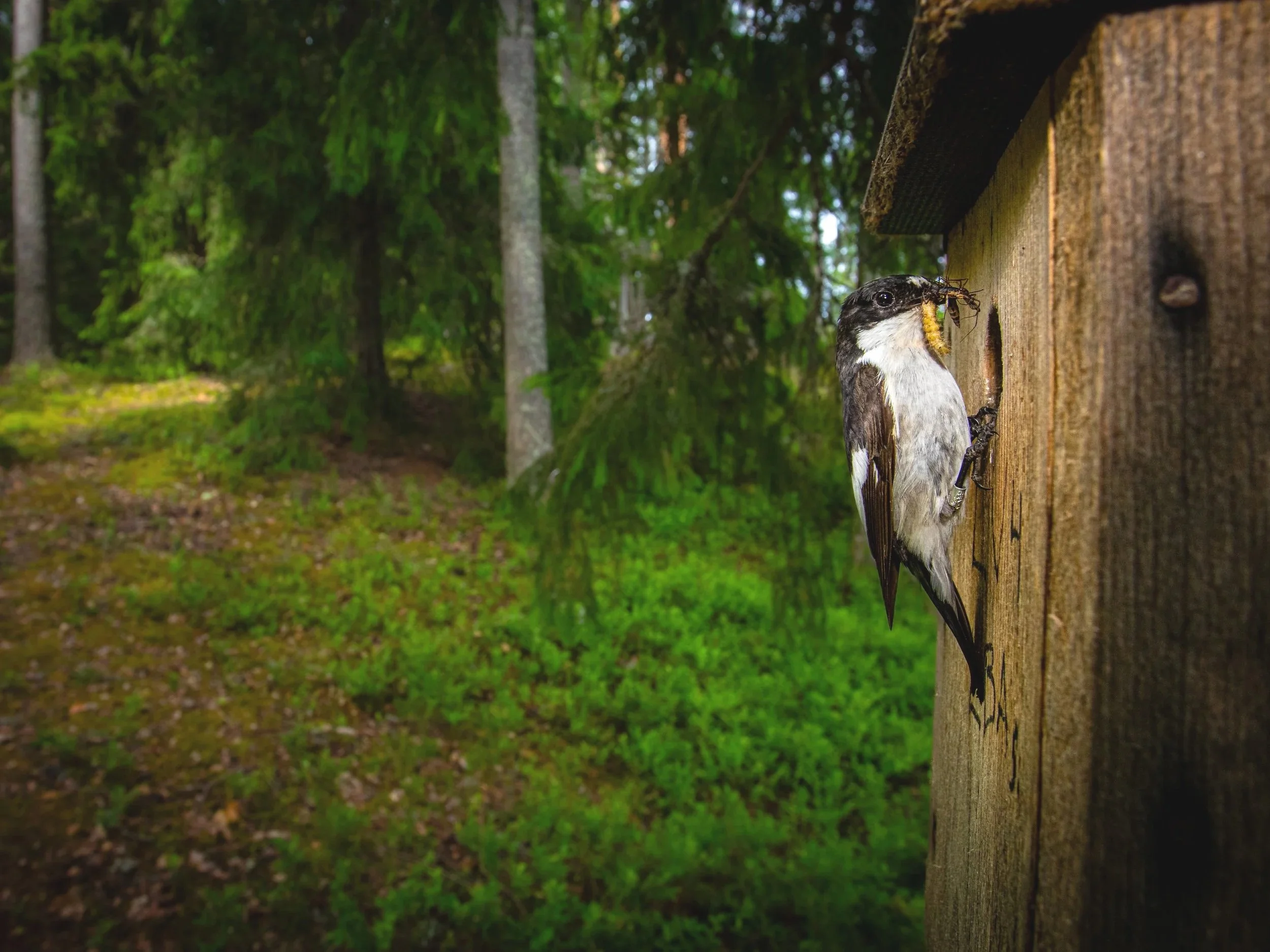
Parental care is a trait widely present in many species and a fundamental step in the evolution of sociality. When caring for their offspring, parents gain benefits – i.e. the survival of the brood, but also pay costs, in terms of energy, time and possible injury and/or death. Therefore, it should be adaptive for parents to make use of information collected by observing other individuals of their own or different species (i.e. social information) to fine tune parental decisions and maximise fitness.
We study how information flow within species shapes parental behaviour and can help resolve sexual conflict between parents, as well as conflicts between parents and their offspring. We also examine how interspecific social information influences key reproductive decisions, such as where to lay eggs and nest defense strategies.
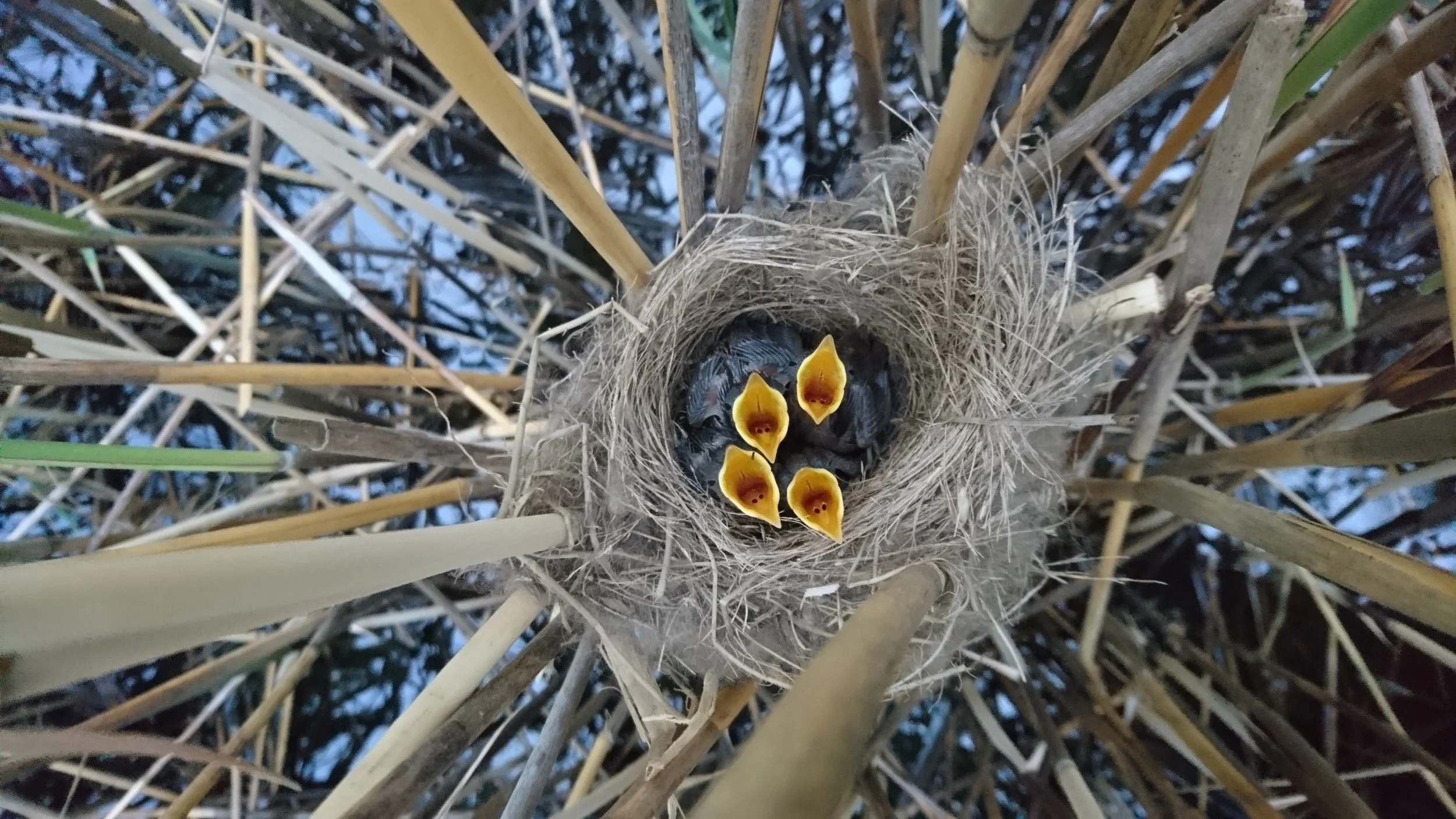
Cuckoos provide an extreme example of ‘parental care’, having evolved to offload this on other species. However, they may still use information to make crucial decisions for the best outcomes for their offspring. How do cuckoos choose who to parasitise, and can they tune their offspring to match the host’s chick-rearing environment?