GEOGRAPHIC VARIATION & RANGE SHIFTS
Can behavioural variation explain why some species successfully track changing environments, while others do not?
Individuals who make decisions to move determine how species’ ranges change. What are the effects of these movements on social environments & information landscapes?
Species and their individuals are always on the move, through seasonal migration, movements within the range (e.g. dispersal), and movement of distribution boundaries (i.e. range shifts). These movements make it possible to follow changing conditions and important resources across space, and behavioural variation among individuals can be important in shaping who moves and where.
Certain traits, such as higher dispersal tendency, can help individuals to discover and successfully settle in new areas, “leading the way” for the range expansion. But this might not be the whole story: Besides the traits that colonisers bring, historical founder effects, local adaptation, and recent gene flow may all shape the behavioural variation present in the newly established populations. To better understand the relative role of each of these processes in determining behavioural patterns within species, we need knowledge of what happened in the past, where individuals come from, and which traits they bring.
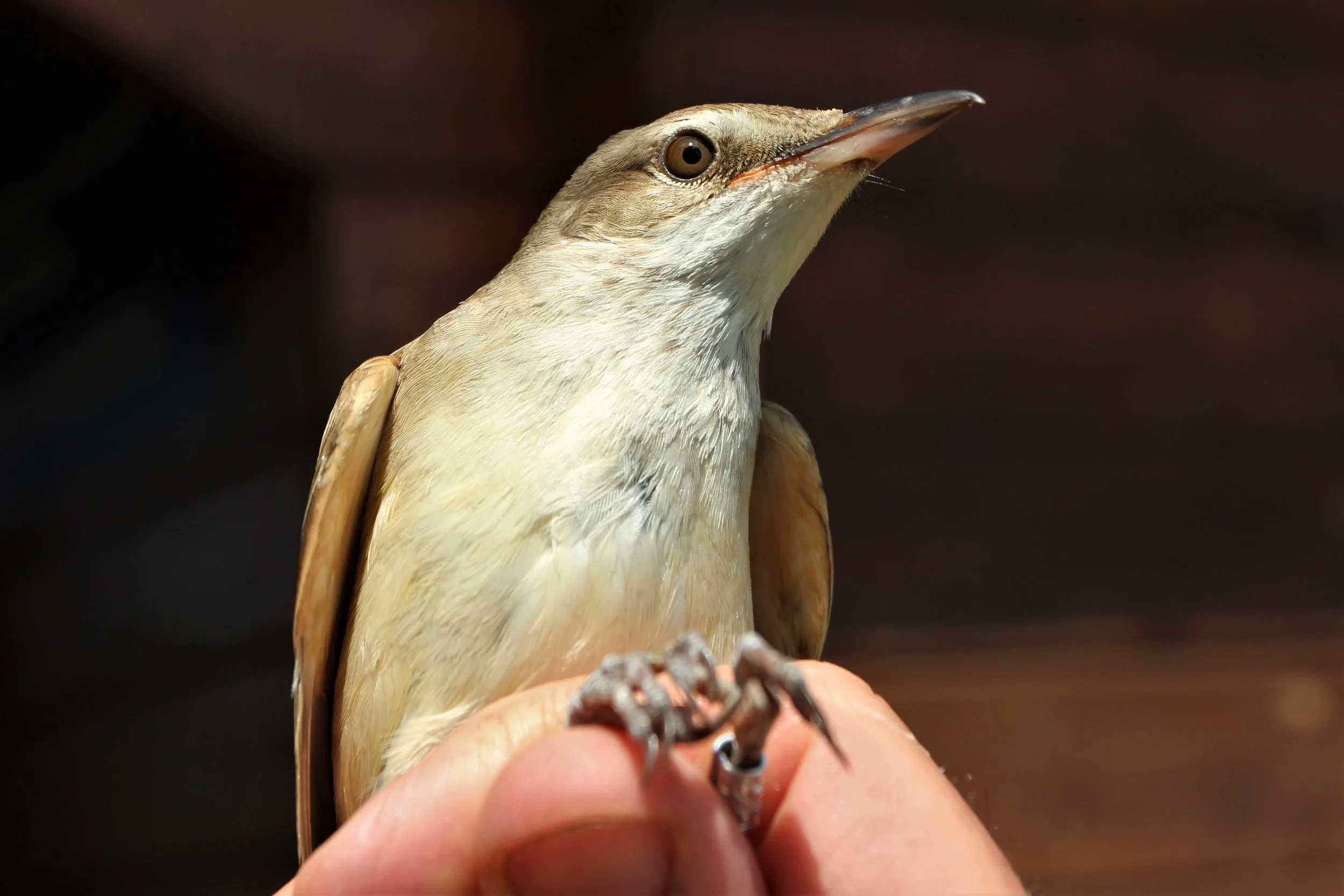
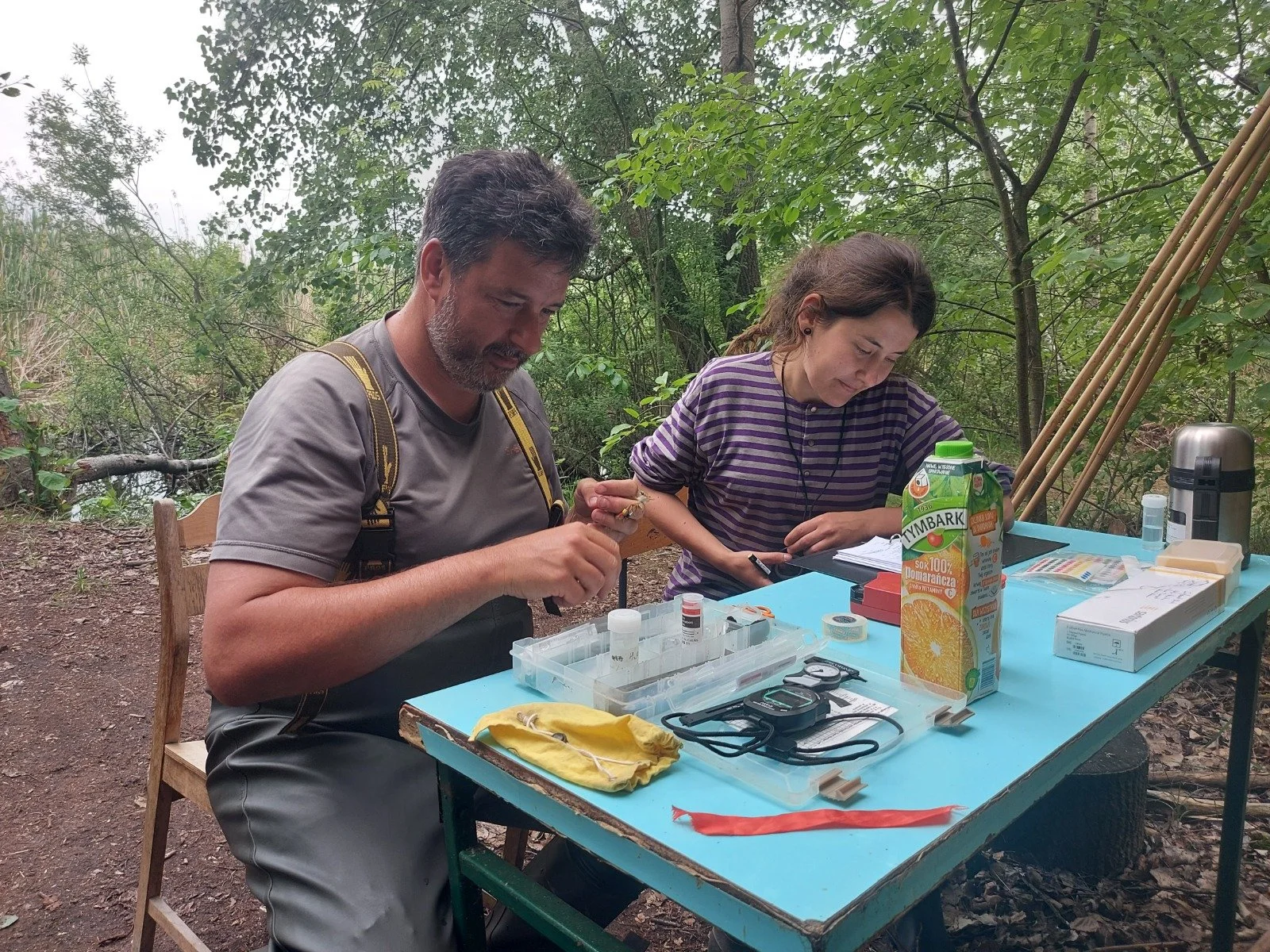
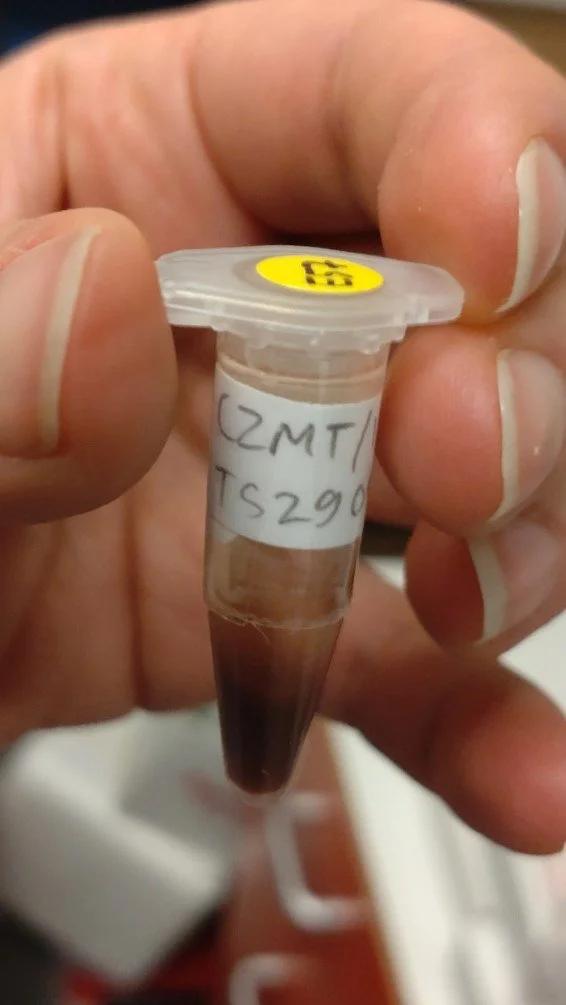
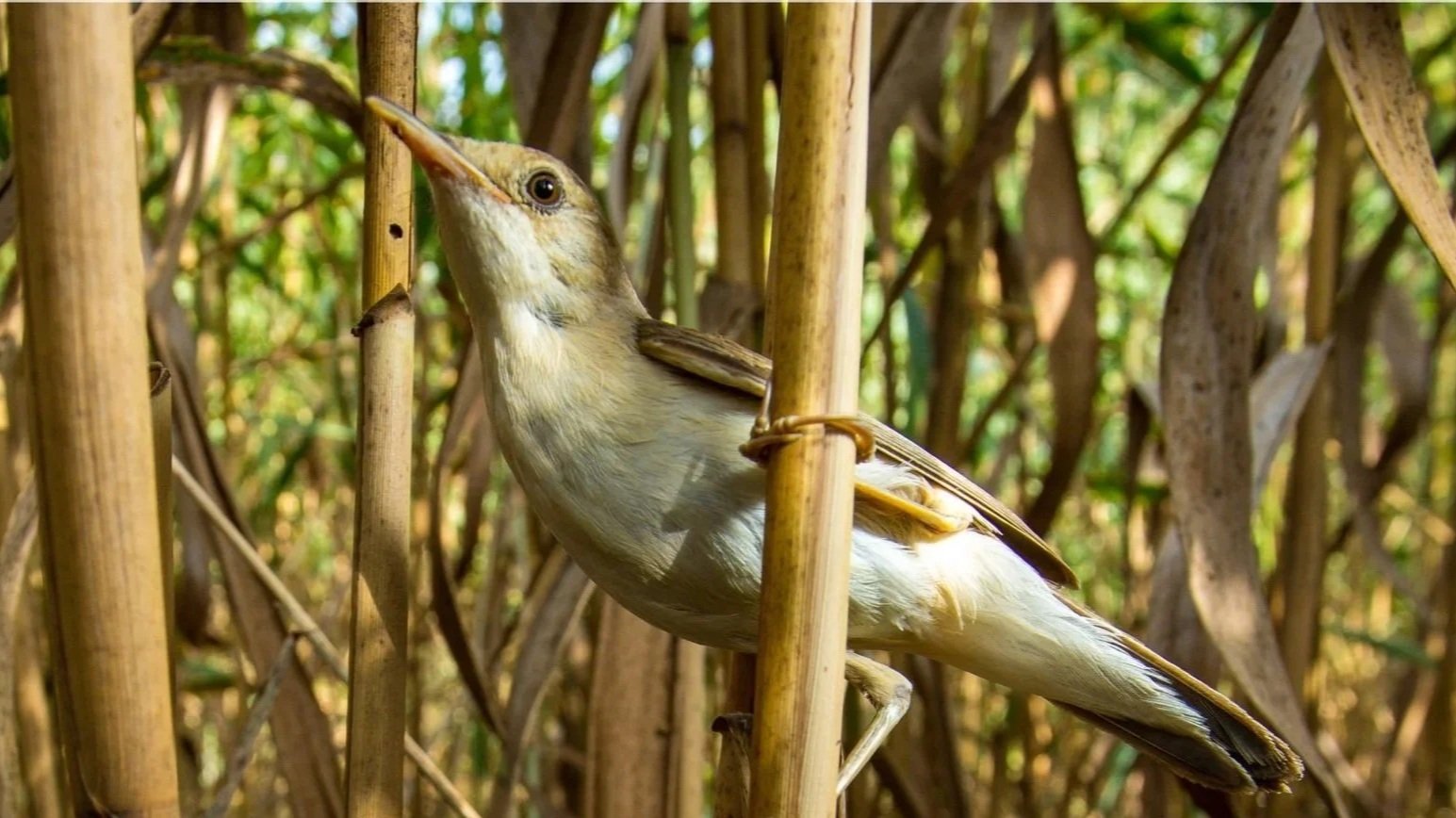
We work with the common reed warbler, a species that has rapidly expanded its range northward in the past ~150 years, colonising newly available habitat while escaping an old enemy, the common cuckoo. Using a range of tools and resources (e.g. field experiments, population genomics, historical observations, and ringing data), we study factors that influence the movement of individuals across the range and within the recently colonised areas to better understand the drivers and consequences of such movements on social environments, information use, range dynamics and parasite-host coevolution.